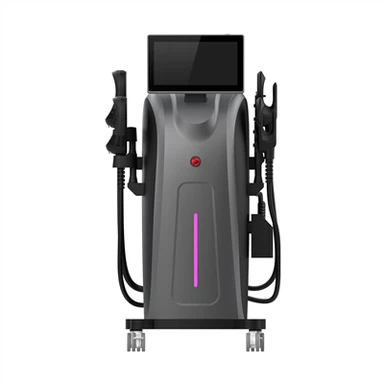
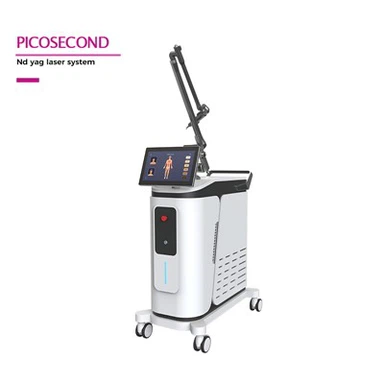
Laser Hair Removal Aftercare: 11 Dos And Don’ts
Jul 28, 2025
Laser hair removal is a highly effective method for reducing unwanted hair long-term. By targeting the hair follicles with concentrated light energy, it prevents future hair growth with minimal discomfort and downtime. While the procedure itself is generally safe, proper aftercare is crucial for protecting the skin and achieving the best possible results.
This article outlines 11 important aftercare tips-what to do and what to avoid-to support the healing process and maintain skin health after treatment.
What to Do After Laser Hair Removal
1. Apply Cold Compresses
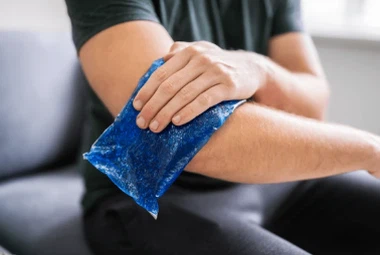
Mild redness and swelling are common after laser hair removal. To relieve discomfort, apply a cold compress wrapped in a clean cloth to the treated area. Use it in short intervals (5–10 minutes) throughout the day to soothe the skin and minimize inflammation.
2. Wear Loose, Breathable Clothing
Tight or abrasive clothing can cause friction and irritation on sensitive skin. Choose loose-fitting, breathable fabrics to avoid unnecessary contact with the treated area, especially in the first 48 hours.
3. Use Lukewarm Water for Washing
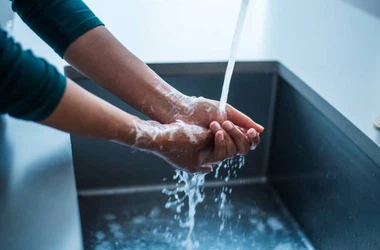
Avoid hot showers, baths, or steam rooms for at least 48 hours. Heat can increase irritation and lead to longer recovery times. Use lukewarm water when bathing, and gently pat the area dry instead of rubbing.
4. Moisturize with Gentle, Fragrance-Free Products
Hydration is key to supporting skin recovery. Use a gentle, unscented moisturizer suitable for sensitive skin. Products containing aloe vera or thermal spring water can be particularly soothing.
5. Follow Your Treatment Schedule

Laser hair removal works best when performed in a series of sessions spaced 4 to 6 weeks apart. Sticking to the recommended schedule helps ensure each hair growth cycle is effectively treated, improving long-term results.
What to Avoid After Laser Hair Removal
1. Avoid Sun Exposure and Heat
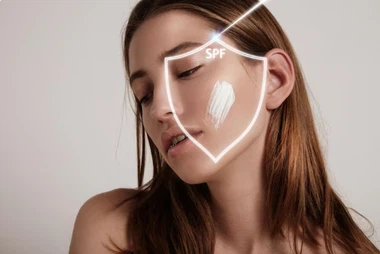
Treated skin becomes more sensitive to UV rays and heat. Avoid sunbathing, tanning beds, saunas, and hot tubs for at least three to five days. If you need to go outdoors, apply a broad-spectrum sunscreen with SPF 30 or higher and reapply as needed.
2. Do Not Use Self-Tanning Products
Self-tanners and bronzing lotions can irritate sensitive skin and cause uneven pigmentation. Wait at least a week before applying any tanning products to the treated area.
3. Avoid Fragranced Lotions and Deodorants
Perfumes, alcohol, and other additives in scented products can irritate the skin. Avoid using fragranced lotions, creams, or deodorants-especially in treated areas like the underarms-for 24 to 48 hours.
4. Do Not Rub, Scratch, or Exfoliate
Let your skin heal naturally. Avoid waxing, tweezing, exfoliating, or applying pressure to the treated area. These actions may delay healing and increase the risk of hyperpigmentation or irritation.
5. Avoid Swimming for 48 Hours
Pools, oceans, and other bodies of water may contain chlorine, salt, or bacteria that can aggravate healing skin. Postpone swimming for at least two days after your session to reduce the risk of infection or irritation.
6. Postpone Cosmetic Treatments in the Area
Avoid additional skin procedures such as chemical peels, IPL, microneedling, or microdermabrasion in the treated area for at least two weeks. These treatments can be too aggressive during the recovery period.
Can You Shave After Laser Hair Removal?

Shaving is recommended before each laser session, but after treatment, it's best to wait until any redness, swelling, or sensitivity has completely subsided. Avoid shaving over irritated skin. Waxing and plucking are not advised at any point during your treatment series, as they remove the hair follicle that the laser targets.
When to Contact a Provider
While most side effects are mild and temporary, you should reach out to your medical provider if you notice any of the following:
Persistent swelling lasting more than 72 hours
Burns, blisters, or peeling
Signs of infection, such as pus, warmth, or increasing redness
Skin discoloration or unusual pigmentation
Pain that does not improve with over-the-counter medication
Prompt care can help prevent further complications and ensure a smooth recovery.
Conclusion
Laser hair removal offers long-term results with minimal recovery when proper aftercare is followed. By taking a few simple precautions-protecting your skin, avoiding harsh products, and staying consistent with your sessions-you can enjoy smoother skin with fewer side effects.
If you're considering laser hair removal or have questions about aftercare, feel free to contact our clinic for personalized guidance.