

Your Professional Tattoo Removal Machines Supplier!
Experienced Company
Hebei Newangie Technology Co., Ltd. is a leading manufacturer specializing in advanced beauty equipment, particularly laser devices, in the vibrant landscape of China's beauty industry. We have experience more than 15 years.
OEM/ODM Services
In beauty equipment manufacturing, we pioneer cutting-edge solutions meeting diverse client needs. Our extensive portfolio spans skin rejuvenation and body enhancement. 8000+ successful collaborations reveal our adeptness at tailoring services to unique partnership demands.
Our Certificates
As a professional laser beauty equipment manufacturer based in China, we take immense pride in our dedication to producing exceptional products that prioritize both quality and safety. Our unwavering commitment to these principles is underscored by a series of significant certifications we have achieved, such as CE, RoHS, and ISO.
Unbeatable Prices & Fast Shipping
We believe in fair and transparent pricing. We're committed to offering competitive prices on every piece of beauty equipment. Our robust shipping network stretches across the globe, ensuring timely and secure delivery of your orders, no matter where you are.
-
![Desktop Nd Yag Laser Tattoo Remover For Beauty Clinic]()
Desktop Nd Yag Laser Tattoo Remover For Beauty Clinic
Add to Inquiry -
![Nano & Pico Laser Tattoo Removal Machine – Dual Mode System]()
Nano & Pico Laser Tattoo Removal Machine – Dual Mode System
Add to Inquiry -
![Professional Laser Tattoo Removal Machine]()
Professional Laser Tattoo Removal Machine
Add to Inquiry -
![Pico Pro Q-Switch Laser Machine Professional Tattoo Removal System]()
-
![Portable Laser Tattoo Remover For Beauty Clinic]()
Portable Laser Tattoo Remover For Beauty Clinic
Add to Inquiry -
![350ps Picosecond Laser Tattoo Removal Machine]()
350ps Picosecond Laser Tattoo Removal Machine
Add to Inquiry -
![Vertical Picosecond Laser Machine]()
Vertical Picosecond Laser Machine
Add to Inquiry -
![Vatical Water Air Cooling Machine Commercial Use]()
Vatical Water Air Cooling Machine Commercial Use
Add to Inquiry -
![Air Cooling Machine For Beauty Salon]()
Air Cooling Machine For Beauty Salon
Add to Inquiry -
![Low Noise Air Cooling Unit For Beauty Laser Equipment]()
Low Noise Air Cooling Unit For Beauty Laser Equipment
Add to Inquiry -
![Air Cooling System For Laser Device]()
Air Cooling System For Laser Device
Add to Inquiry -
![Commercial Air Cooling Machine]()
Commercial Air Cooling Machine
Add to Inquiry


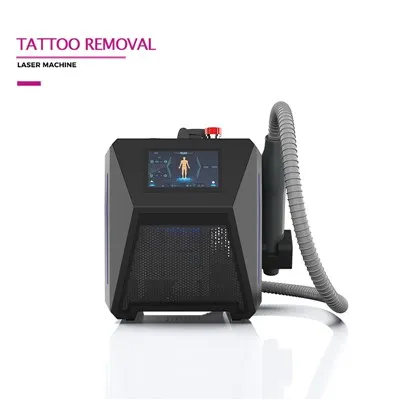

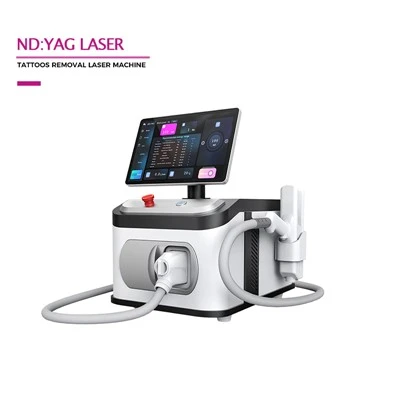


What Are Tattoo Removal Machines?
Tattoo removal machines are devices used in the process of removing tattoos from the skin. These machines utilize various technologies such as lasers, intense pulsed light (IPL), and radiofrequency to break down the tattoo ink particles in the skin. The energy from these devices helps to fragment the tattoo pigments, enabling the body's immune system to naturally eliminate them over time.
Different types of tattoo removal machines offer varying wavelengths and settings to target different colors and depths of ink in the skin. The effectiveness of tattoo removal machines can vary based on factors such as the type of ink used, the colors in the tattoo, skin type, and the expertise of the operator.
Features of Tattoo Removal Machines
Advanced Laser Technology
Tattoo removal machines often utilize Q-switched lasers, such as Nd:YAG, Alexandrite, or Ruby lasers, to break down tattoo ink particles effectively.
Multiple Wavelengths
Many tattoo removal machines offer multiple wavelengths to target different colors of ink in the skin, ensuring comprehensive removal of various tattoo pigments.
Adjustable Settings
These machines typically come with adjustable settings for laser intensity, pulse duration, and spot size, allowing for precise customization based on the tattoo's characteristics and the individual's skin type.
Cooling Systems
Some tattoo removal machines are equipped with integrated cooling systems to help manage skin temperature and minimize discomfort during the procedure.
Safety Features
Tattoo removal machines often include safety features such as skin sensors, pulse counters, and automatic shut-off mechanisms to ensure safe and controlled treatment.
User-Friendly Interface
These machines may have user-friendly interfaces with touchscreen controls or presets for simplified operation and ease of use.
Types of Tattoo Removal Lasers
Currently, there are some types of tattoo removal lasers in common use:
Surgeons use these lasers to remove black, blue, and green pigments from the subsurface of the skin. Q-switched ruby lasers have the advantage of being able to remove a broad spectrum of pigments, including the most prevalent colors found in tattoos. However, a ruby laser is not particularly effective against blue dye. This type of tattoo removal laser can also have adverse effects on the skin, including changes in pigmentation, scarring, and textural alterations in the skin’s surface.
By contrast, Q-switched 532 nm Nd:YAG lasers (sometimes also called an ND YAG laser) can remove bright pigments, such as red, orange, and yellow, while the 1064 nm variety removes black and blue. Pigmentation and textural changes are much less common Nd:YAG lasers than in the Q-switched ruby laser.
The Q-switched alexandrite laser (755 nm) is designed to remove black and blue pigment, like the ruby laser. Surgeons also credit it with being the best of all lasers at getting rid of green pigments. Again, though, there are short term costs. Data suggests, for instance, that transient hypopigmentation occurs in around 12 percent of all patients receiving treatment using this particular laser.
Picosecond is the other type of laser tattoo remover. This type is faster and more modern compared to Q-switched, a reason why picosecond costs more. Picosecond lasers work in the same way as the Q-switched but they offer a wider range of wavelengths and operate much faster with higher energy levels. This makes the sessions faster and may reduce the number of sessions needed to completely remove the tattoo.
Technology of Tattoo Removal Machines

Peak Power
Power matters for getting quality tattoo removal results with each treatment. Some systems may provide adequate fading results for the first few treatments, but do not have sufficient power to break up the ink of stubborn tattoos deep within the dermis. To avoid this problem, it is important to consider peak power as you make your laser purchasing decision.
Peak power is a result of pulse width and energy – the smaller the pulse width and the greater the energy production, the higher the peak power. Higher peak power levels allow practitioners to treat tattoos at greater fluences without compromising on laser treatment spot size. In all, peak power allows you to get better removal results for increased patient satisfaction.
Both the Q switch laser and the ND yag laser feature high levels of energy production and exceptionally short pulse widths for best-in-class peak power production. Make sure to consider peak power as you make your laser purchasing decision.

Wavelengths
Different colors of tattoo ink absorb different wavelengths of energy – meaning that tattoo removal practitioners switch between different wavelengths of laser energy when treating tattoos. Understanding the capabilities of different wavelengths will greatly guide your choice of laser.
There are three common types of Q-switched lasers in the tattoo removal industry: Nd:YAG, Ruby, and Alexandrite.
The go-to laser for most tattoo removal practitioners is an Nd:YAG laser because it is capable of producing the most versatile wavelengths: 1064 nm and 532 nm. The 1064 nm wavelength is a powerhouse for treating black, blue, and other dark ink colors; the 532 nm wavelength is highly effective for removing red, orange, pink, and other bright colors. These two powerful wavelengths can completely remove 95% of tattoos.

Q-Switching
The technology used for tattoo removal procedures is called “Q-switching.” It is the production of a specific type of quick, powerful pulse that shatters tattoo ink without harming surrounding skin tissue.
All other types of aesthetic lasers will not safely and effectively remove tattoos – Q-switched lasers are the only proven method for removing tattoos safely without scarring.
There are two main types of Q-switched lasers on the market: passively Q-switched and actively Q-switched. Passively Q-switched lasers produce pulses of energy capable of removing tattoos, but do not have the high performance capabilities of larger, actively Q-switched laser systems.
Passively Q-switched lasers are generally smaller, more portable, and more affordable, but do not have the advanced power and features of actively Q-switched models.
What Are the Types of Tattoo Removal?
There are different types of tattoo removal available, including:
Laser Tattoo Removal
Lasers are focused beams of light directed onto your skin. Lasers heat up the ink particles in your skin to break them down into smaller particles, which are easier for your immune system to remove. It can take multiple laser therapy sessions to remove a tattoo.
01
Dermabrasion
Dermabrasion is a type of surgical procedure where a special tool removes the outer layers of your skin that contain tattoo ink. You’ll need a local or general anesthetic for this procedure. After the procedure, you’ll have an open wound on your skin that needs to heal.
02
Chemical Peels
Chemical peels use chemicals like trichloroacetic acid to remove permanent ink from your skin. A provider will apply the chemical to your skin, which will cause the outer layers of your skin to peel.
03
Surgical Excision
A surgical excision is a surgical procedure to cut out the skin that contains a tattoo. A surgeon will stitch your remaining skin together after removing the tattooed skin. This procedure works well with small tattoos and isn’t effective for large tattoos.
04
Tattoo Removal Creams
Tattoo removal creams are available but aren’t as successful at removing tattoos as other therapies. You can use tattoo removal creams at home by rubbing the cream onto your skin where you have an unwanted tattoo. Most tattoo removal creams contain acids that can irritate or damage your skin. Tattoo removal creams work slowly, so it could take several months of regular use before you see results.
05
Benefits of Laser Tattoo Removal
There are a number of marked advantages to laser tattoo removals, most of which involve the non-surgical nature of this treatment. These advantages include:
The laser light is designed to leave your healthy skin cells alone. This means that the potential for scarring is low, which contrasts removal methods that rely upon “sanding” the skin.
Laser removal can effectively diminish the appearance of tattoos without the lasting effects that can make other methods of removal undesirable.
After receiving treatments of laser tattoo removal, you need to protect your skin from ultraviolet radiation for a few days. A small amount of redness and tenderness may persist, but these effects should subside within a few days of treatment.
Laser tattoo removals can remove specific tattoos or cleanse entire regions of your body from tattoos.
Laser tattoo removal is one of the safest ways to remove tattoos. The risk of infection is minimal, few undesirable side effects occur after receiving treatment and comfort tends to stay high during the treatment process.
Application of Two Tattoo Removal Machines

NDYAG Laser
1)532nm laser: remove light color pigments like shallow red, brown, pink, etc.
2)1064nm laser: remove deep color pigments like black, blue, scarlet red, deep coffee, etc.
3)1320nm laser: professional for skin rejuvenation, blackhead removal, skin whitening, etc.
Picosecond laser
1)1064nm for black tattoos, sunspots, coffee spots, chloasma, skin rejuvenation, etc.
2)532nm for red, brown, yellow tattoo, Ota, freckles, port wine stains, etc.
3)660nm (green tattoo removal), 585nm (blue and purple tattoo removal), Fractional probe(treatment of large pores, acne marks).
4)3 treatment modes: SP, LP, PTP mode, effective for all complicated types of pigmentation.

What Factors to Consider When Choosing Laser Tattoo Removal Machine?
There are several factors to take into account when selecting a laser tattoo removal machine to make sure you are getting a high-quality one that matches your demands. Some key factors to consider include:
Wavelength
The laser’s wavelength is crucial for efficient tattoo removal. Different colors of ink require different wavelengths to break down the pigment effectively. For example, a 1064nm wavelength is used to target black, dark blue, and dark green tattoo ink. And 532nm wavelength of the laser is for red, orange, and yellow tattoo ink. While the 694nm wavelength is to target light blue and green tattoo ink.
01
Power and Energy Output
Generally, a good laser tattoo removal machine should have a power output of at least 4-6 watts and an energy output of 400-600mJ per pulse. Some advanced laser tattoo removal machines can deliver up to 10-12 watts of power and 800-1000mJ of energy per pulse.
02
Cooling System
The process of laser tattoo removal directing high-powered laser beams at the tattooed area can generate a significant amount of heat, which can potentially damage the surrounding skin tissue. A cooling system is designed to help mitigate these risks. There are different types of cooling systems that can be used with laser tattoo removal machines, including air cooling, contact cooling, and cryogenic cooling.
03
Brand and Supplier
Look for brands and suppliers that have relevant certifications and read the reviews of their products.
04
Laser Tattoo Removal Aftercare Suggestions
Just like when your tattoo was fresh, there are some major things you’ll need to avoid after laser tattoo removal in order to heal effectively such as sun exposure, pool water, salt water, and hot tubs. It’s normal for your treated tattoo to scab over and possibly blister. If you experience blistering, just continue to apply ointment until the blister has popped naturally and scabbed over. Do not pick at the scabs or pop any of the blisters on your own, and avoid shaving or any activities which could scrape the area until it’s completely healed. Many people also experience itching during the healing process. Applying an ointment such as Aquaphor, Vitamin E ointment, or hydrocortisone cream usually provides the necessary relief.


For 24 hours after
If necessary, you can shower with indirect low-pressure water 2 hours after your laser tattoo removal treatment, but avoid soaking your treated tattoo (baths, hot tubs, saunas, and swimming). Be sure to elevate and treat the area with cold compresses to help relieve pain and reduce inflammation. If you need additional pain relief, use Tylenol but avoid taking ibuprofen, Aspirin, and naproxen, which can cause additional bruising and other unwanted side effects.
3 days after
For the first 3 days of laser tattoo removal aftercare, keep the tattoo removal area covered with a fresh sterile bandage daily and apply a thin layer of ointment such as Aquaphor, Elta MD Post Balm, Neosporin, Polysporin, or A&D Ointment. If you feel it is necessary, you can use mild soap and water and pat the area dry. Avoid all makeup for at least three days after laser tattoo removal treatment.
5-10 days after
You should start to see some improvement of the treated area after about 5-10 days, but the right laser tattoo removal aftercare is important to continue the healing process with maximum results. Gentle daily massage of the treated tattoo will help your body’s absorption of the broken-up ink and speed up fading. Keep your treated tattoo covered, and avoid direct sun exposure for at least 5-10 days after treatment. You should continue to protect your tattoo with SPF 25 or higher for 3 months or more for the most effective after laser tattoo removal care.
How do ensure proper maintenance for Laser Tattoo Removal Machine?
Proper maintenance improves the lifespan of your laser machine. Have a look at the preventive maintenance program for cosmetic laser machines,
Inspect Handpiece
Make sure to check your laser tattoo removal machine handpiece on a daily basis. You can clean them with alcohol or any other material while using them between patients. On the other hand, replace the handpiece whenever it’s necessary to avoid catastrophic failures.
Dust Out Filters
In most cases, electrical and optical failures occur due to dust accumulation. Therefore, you have to dust the fans, vacuum vents, and clean the filters regularly. If dust and debris get accumulated, it results in the insufficient cooling of cosmetics. Moreover, it creates ultimate damage to your components or digital systems.
Check Out the Cooling System
As a part of preventive maintenance, you have to check for the cooling system levels. The cooling system is responsible for cooling the laser cavity, handpiece, and power supply. Overheating results in absence of regular check and consequently increase the cost associated with the repair and maintenance of cosmetic lasers.
Prevent Overfilling
While adding coolant, don’t overfill the laser system. If you fail to observe the proper coolant levels, it results in water leaks and easily damages the electronic components of the system.
Check Voltage Level
Beore powering up, check and verify the voltage displayed on the cosmetic machine. Whether the voltage displayed is the same as the power coming out from the wall socket. In certain cases, there are variations in the amount of power from wall sockets.
Our Certification


Frequently Asked Questions About Tattoo Removal Machines
Q: Do tattoo removal machines work?
Q: What is the most effective tattoo removal technology?
Q: What is the new tattoo removal technology in 2023?
Q: How many sessions does it take to remove a black tattoo?
Q: How painful is tattoo removal?
Q: Are tattoo removal worth it?
Q: How much does a tattoo removal machine cost?
Q: What colour tattoo is hardest to remove?
White ink is the most difficult to remove, followed by light green and light blue. Because it reflects most of the wavelengths. On the contrary, black is the easiest to eliminate since it absorbs all wavelengths. This means that browns, dark greens, and dark blues are also quickly excreted from the body. Therefore, colors that cannot absorb most wavelengths take longer to remove.
Q: Can tattoos be completely removed with a laser?
Q: Can i remove my tattoo myself?
Q: Why is my tattoo darker after laser removal?
Q: How many sessions will i need?
Q: Are deep tattoos hard to remove?
Q: How often to get laser tattoo removal treatment?
It’s generally recommended to wait a few weeks in between each laser session treatment. This will not only depend on the size and composition of your tattoo but also on your clinic.
Your Laser Tattoo Removal Specialist or Esthetician will recommend to wait about 4 weeks to 8 weeks in between Laser Tattoo Removal Treatments.
Q: What are the side effects of laser tattoo removal? Does it hurt?
Q: How many laser tattoo removal treatments are needed?
On average, it can take anywhere between 6 to 8 treatment sessions. Now it can also go up to 10 sessions or as little as 5. Each person will have their own experience and journey for their Tattoo Removal.
Q: How long does it take to see results from laser tattoo removal?
On average, you will be able to see results after you’ve had a few sessions. In a month or even a few months, you will start to notice your body healing and breaking down the tattoo. It will gradually fade over time after each treatment.
Q: What is the after-care for laser tattoo removal?
Thankfully, it won't be too stressful to take care of the skin after each treatment. It’s very similar to how you would treat any other breaks in the skin, infections, or irritated areas.
You will need an antibiotic cream to protect the tattooed area from possible infection and soothe the skin after the treatment. You may also need to wear a bandage on your lasered area and change the bandage frequently.
Scabbing is a side effect alongside swelling and blistering. Avoid picking out touching the area at all costs, and once it goes away, continue to use the antibiotic cream.
Always apply SPF. You don't want to damage your skin in the sun even further after a laser treatment. Consult with your physician for the exact steps to take and how to adequately take care of your skin during your Laser Tattoo Removal procedure.
Q: How long do laser tattoo removal results last?
Other times a tattoo will fade and can slightly remain on the skin. Scarring may occur if the aftercare procedures were not performed correctly or the client is already prone to scarring.
Q: What is the most powerful tattoo removal?
We're well-known as one of the leading tattoo removal machines manufacturers and suppliers in China. If you're going to buy high quality tattoo removal machines made in China, welcome to get pricelist from our factory. Also, customized service is available.
