

What is the power consumption of a tattoo removal machine?
Jul 04, 2025
What is the power consumption of a tattoo removal machine?
As a supplier of tattoo removal machines, I often receive inquiries from customers about various aspects of these devices, and one question that frequently comes up is the power consumption of tattoo removal machines. Understanding the power consumption is crucial for both customers and businesses, as it not only affects the operating costs but also has implications for energy efficiency and environmental impact. In this blog post, I will delve into the factors that influence the power consumption of tattoo removal machines, provide some general estimates, and discuss the significance of this aspect in the context of choosing the right machine for your needs.
Factors Affecting Power Consumption
The power consumption of a tattoo removal machine is influenced by several key factors. First and foremost is the type of laser technology used in the machine. Different laser types have varying energy requirements, which directly translate into differences in power consumption. For example, Q - switched lasers, which have been widely used in tattoo removal for many years, typically consume a certain amount of power based on their pulse energy and repetition rate. These lasers emit high - energy pulses at specific intervals, and the power needed to generate these pulses depends on the intensity and frequency of the output.
On the other hand, picosecond lasers, such as the Pico Laser Tattoo Removal Machine, are a more advanced option. Picosecond lasers operate at extremely short pulse durations, which can be more energy - efficient in some cases. However, the technology behind these lasers also requires sophisticated electronics and cooling systems, which can add to the overall power consumption. The shorter the pulse duration and the higher the peak power of the picosecond laser, the more power it may consume during operation.

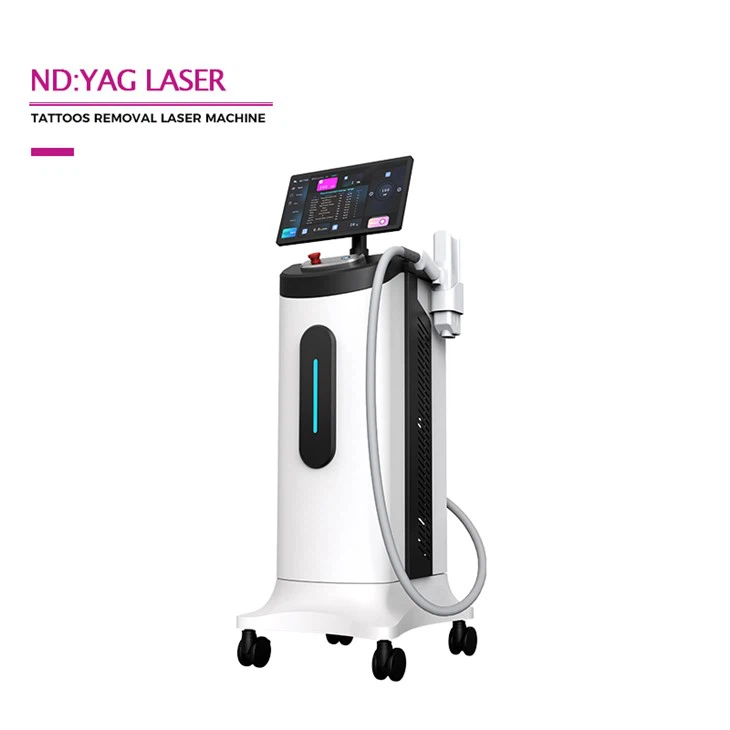
Another important factor is the size and design of the machine. Larger machines with more advanced features and components, such as multiple laser heads, integrated cooling systems, and high - resolution displays, generally consume more power than smaller, more basic models. The cooling system, in particular, plays a significant role in power consumption. Tattoo removal lasers generate a considerable amount of heat during operation, and efficient cooling is essential to maintain the stability and performance of the laser. Active cooling systems, such as water - cooled or air - cooled units, require additional power to operate.
The operating mode of the machine also affects power consumption. Some tattoo removal machines offer different power settings or modes to accommodate various tattoo removal needs. For instance, a high - power mode may be used for removing large or deeply - pigmented tattoos, while a lower - power mode can be selected for smaller or more superficial tattoos. Naturally, the high - power mode will consume more power than the lower - power mode.
General Estimates of Power Consumption
It is difficult to provide an exact figure for the power consumption of tattoo removal machines, as it varies widely depending on the factors mentioned above. However, we can give some general estimates to give you an idea of what to expect.
Q - switched laser tattoo removal machines typically have a power consumption ranging from 500 to 1500 watts. These machines usually have a relatively simple design and may not require as much power for cooling compared to more advanced models. A small - to - medium - sized Q - switched laser machine with a single laser head and basic features may consume around 500 - 800 watts, while a larger, more powerful machine with multiple laser heads and enhanced functionality could consume up to 1500 watts.
Picosecond laser tattoo removal machines, due to their advanced technology and more complex design, generally have a higher power consumption. The power consumption of a True Pico Laser Tattoo Removal Machine can range from 1000 to 3000 watts or even more in some high - end models. These machines often require a significant amount of power to generate the short - pulse, high - energy laser beams and to operate the cooling and control systems effectively.
It's important to note that these are just rough estimates, and the actual power consumption of a specific machine can vary based on its make, model, and the specific operating conditions.
Significance of Power Consumption
Understanding the power consumption of tattoo removal machines is important for several reasons. From a cost - perspective, power consumption directly impacts the operating expenses of a tattoo removal business. Higher power consumption means higher electricity bills, which can add up over time, especially for businesses that operate multiple machines or have a high volume of clients. Therefore, choosing a machine with lower power consumption can help reduce operational costs and increase profitability.
In addition to cost savings, energy - efficient tattoo removal machines are also more environmentally friendly. As the world becomes more conscious of the need to reduce energy consumption and carbon emissions, using energy - efficient equipment is a step towards sustainability. By choosing a machine with lower power consumption, businesses can contribute to a greener future while also potentially benefiting from government incentives or tax breaks for energy - efficient operations.
Power consumption also has implications for the machine's performance and reliability. Machines that consume excessive power may generate more heat, which can put additional stress on the components and reduce their lifespan. A well - designed machine with optimized power consumption is more likely to operate smoothly and require less maintenance over time.
Choosing the Right Machine Based on Power Consumption
When selecting a tattoo removal machine, power consumption should be one of the factors to consider, but it should not be the only one. Other important factors include the machine's effectiveness in removing tattoos, its safety features, ease of use, and price.
If you are operating a small - scale tattoo removal business or a home - based practice, a machine with lower power consumption may be more suitable to keep your operating costs down. However, if you are running a large - scale commercial clinic with a high volume of clients and a need for advanced technology, you may be willing to invest in a more powerful machine, even if it has a higher power consumption, as long as it can deliver better results.
It's also worth considering the Best Laser Hair Removal Machine Professional 2025. Some machines are designed to be multi - functional, capable of both tattoo removal and laser hair removal. These machines can offer greater versatility and value for money, and you can assess their power consumption in relation to the multiple functions they perform.
In conclusion, the power consumption of a tattoo removal machine is a complex topic influenced by various factors. By understanding these factors and their implications, you can make an informed decision when choosing a machine that meets your needs in terms of performance, cost, and environmental impact.
If you are interested in learning more about our tattoo removal machines or have any questions regarding power consumption and other technical aspects, please feel free to contact us for a detailed discussion. We are here to help you find the perfect solution for your tattoo removal business.
References
- Laser Technology in Dermatology: Principles and Practice, edited by Rox Anderson and David E. Bank
- Handbook of Lasers in Dermatology and Aesthetic Medicine, edited by Rajiv Grover and N. S. Mysore