

What are the energy levels of a 7d Hifu Machine?
Jul 28, 2025
As a supplier of 7D HIFU machines, I often encounter inquiries about the energy levels of these advanced devices. In this blog post, I will delve into the concept of energy levels in a 7D HIFU machine, their significance, and how they impact the treatment outcomes.
Understanding HIFU Technology
Before we discuss the energy levels, it's essential to have a basic understanding of High-Intensity Focused Ultrasound (HIFU) technology. HIFU is a non-invasive treatment that uses focused ultrasound energy to target specific layers of the skin and underlying tissues. The ultrasound waves penetrate the skin without causing damage to the surface, and when they reach the targeted depth, they generate heat, which stimulates collagen production and tightens the skin.
What are Energy Levels in a 7D HIFU Machine?
The energy levels in a 7D HIFU machine refer to the amount of ultrasound energy delivered to the targeted tissues. These levels are adjustable and can be customized based on the patient's skin type, treatment area, and the desired treatment outcome. The energy levels are typically measured in joules per square centimeter (J/cm²).

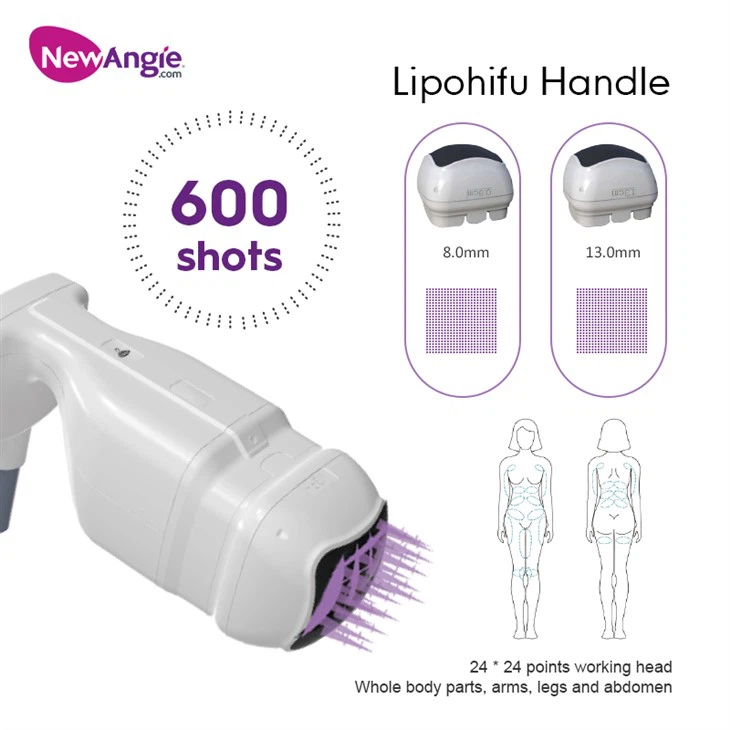
In a 7D HIFU machine, the energy levels can range from low to high, with each level serving a specific purpose. Low energy levels are often used for mild skin tightening and rejuvenation, while high energy levels are more suitable for more significant skin laxity and deeper tissue stimulation.
Significance of Energy Levels
The energy levels in a 7D HIFU machine play a crucial role in determining the effectiveness of the treatment. Here are some key points to consider:
- Collagen Stimulation: The primary goal of HIFU treatment is to stimulate collagen production in the skin. Higher energy levels can generate more heat, which in turn triggers a more significant collagen response. This leads to better skin tightening and rejuvenation results.
- Treatment Depth: Different energy levels can target different depths of the skin and underlying tissues. For example, lower energy levels may be used to treat the superficial layers of the skin, while higher energy levels can reach deeper layers, such as the SMAS (Superficial Musculo-Aponeurotic System).
- Patient Comfort: While higher energy levels can produce better results, they may also cause more discomfort during the treatment. Therefore, it's essential to find the right balance between energy levels and patient comfort. A skilled operator will be able to adjust the energy levels based on the patient's tolerance.
Adjusting Energy Levels
One of the advantages of a 7D HIFU machine is its ability to adjust the energy levels precisely. This allows for a personalized treatment approach, ensuring that each patient receives the optimal energy dose for their specific needs. Here are some factors that influence the adjustment of energy levels:
- Skin Type: Patients with thicker or more resilient skin may require higher energy levels to achieve the desired results. On the other hand, patients with thinner or more sensitive skin may need lower energy levels to avoid discomfort or damage.
- Treatment Area: Different areas of the body have different skin thickness and tissue composition. For example, the skin on the face is generally thinner than the skin on the abdomen. Therefore, the energy levels may need to be adjusted accordingly.
- Treatment Goals: The desired treatment outcome also plays a role in determining the energy levels. If the goal is to achieve mild skin tightening and rejuvenation, lower energy levels may be sufficient. However, if the patient has significant skin laxity or wants more dramatic results, higher energy levels may be required.
Comparing with Other HIFU Machines
When considering a 7D HIFU machine, it's also worth comparing it with other HIFU machines on the market. For example, the Newangie 12D HIFU Skin Tightening Machine and the Vertical 12D HIFU Facial Machine offer advanced features and a wider range of energy levels. These machines may be suitable for more complex treatments and patients with specific needs.
Another option is the Professional Hifu Machine, which is designed for professional use in clinics and spas. This machine provides high-quality treatment with precise energy control, ensuring optimal results for patients.
Safety Considerations
While HIFU treatment is generally considered safe, it's essential to follow proper safety protocols when adjusting the energy levels. Here are some safety tips to keep in mind:
- Operator Training: Only trained and experienced operators should use a 7D HIFU machine. They should have a thorough understanding of the technology, energy levels, and safety procedures.
- Patient Assessment: Before the treatment, the operator should conduct a comprehensive patient assessment to determine the appropriate energy levels. This includes evaluating the patient's skin type, medical history, and treatment goals.
- Test Spots: It's recommended to perform test spots on a small area of the skin before starting the full treatment. This allows the operator to assess the patient's response to the energy levels and make any necessary adjustments.
- Post-Treatment Care: After the treatment, the patient should follow the post-treatment care instructions provided by the operator. This may include avoiding sun exposure, using moisturizers, and taking any prescribed medications.
Conclusion
In conclusion, the energy levels in a 7D HIFU machine are a critical factor in determining the effectiveness and safety of the treatment. By understanding the concept of energy levels, their significance, and how to adjust them, operators can provide personalized and effective treatments for their patients.
If you're interested in purchasing a 7D HIFU machine or have any questions about energy levels or HIFU treatment, please feel free to contact us. We're here to help you make an informed decision and achieve the best results for your patients.
References
- Cosmetic Laser and Energy-Based Devices: Principles and Practice, by Roy G. Geronemus, M.D.
- High-Intensity Focused Ultrasound for Aesthetic Medicine: A Comprehensive Guide, by David J. Goldberg, M.D.