

How does an RF body sculpting machine compare to radiofrequency ablation for body sculpting?
Jun 08, 2026
In the ever - evolving world of body sculpting, two popular methods have emerged as front - runners: RF body sculpting machines and radiofrequency ablation. As a supplier of RF body sculpting machines, I am often asked to compare these two techniques. In this blog, we will delve into the details of both methods, exploring their mechanisms, benefits, limitations, and how they stack up against each other.
Understanding RF Body Sculpting Machines
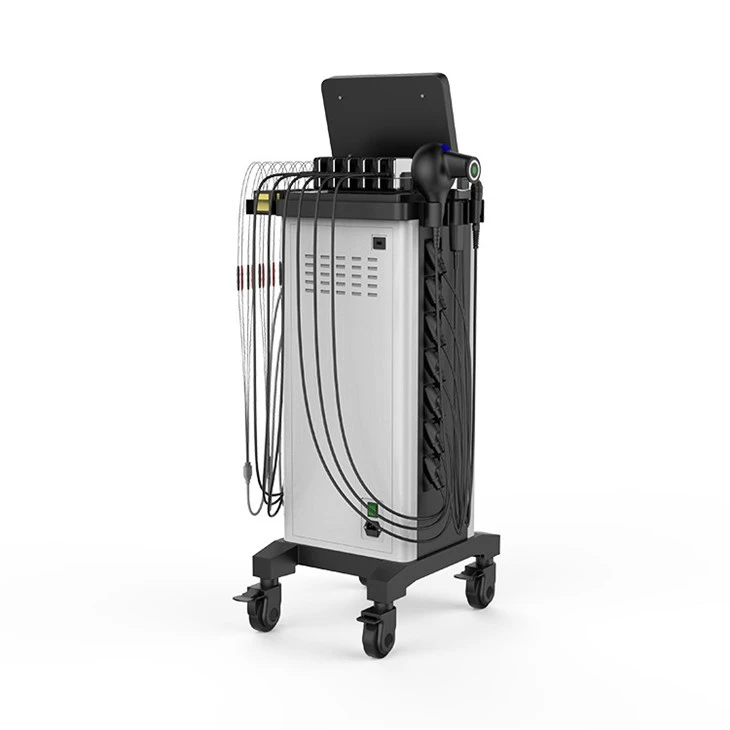
RF body sculpting machines are a non - invasive approach to body contouring. These machines use radiofrequency energy to heat the subcutaneous fat layer and the deeper connective tissues. The heat generated causes the fat cells to break down, and the body then naturally eliminates these broken - down fat cells over time.
One of the significant advantages of RF body sculpting machines is their non - invasiveness. Patients can avoid the risks associated with surgical procedures, such as infection, scarring, and long recovery times. For example, with a Radio Frequency Fat Reduction Machine, patients can simply lie back and relax during the treatment session. The treatment is relatively painless, often described as a warm massage.
Another benefit is the versatility of RF body sculpting machines. They can be used on various parts of the body, including the abdomen, thighs, arms, and buttocks. The Body Rf Slimming Machine is designed to target specific areas, allowing for customized treatment plans based on the patient's needs.
RF body sculpting also stimulates collagen production. As the radiofrequency energy heats the tissues, it triggers the production of new collagen fibers. This leads to improved skin elasticity and firmness, reducing the appearance of cellulite and sagging skin.
However, RF body sculpting machines do have some limitations. The results are not immediate. Multiple treatment sessions are usually required to achieve the desired results, and the effects may take several weeks or even months to become fully apparent. Also, the degree of fat reduction may be less significant compared to more invasive procedures.
Radiofrequency Ablation for Body Sculpting
Radiofrequency ablation (RFA) is a minimally invasive procedure. In RFA, a thin needle electrode is inserted into the targeted fat tissue under local anesthesia. The electrode then delivers radiofrequency energy directly to the fat cells, causing them to heat up and die.
One of the main advantages of RFA is its precision. It can target specific areas of fat with high accuracy, making it suitable for treating small, stubborn fat deposits. The results are often more immediate compared to RF body sculpting machines. Since the fat cells are directly destroyed, patients can see a visible reduction in fat volume shortly after the procedure.
RFA also has the potential to provide more significant fat reduction. It can be a good option for patients who have a larger amount of excess fat and are looking for a more dramatic change.
However, RFA comes with its own set of drawbacks. It is a minimally invasive procedure, which means there is a risk of complications such as infection, bleeding, and nerve damage. The recovery time is also longer compared to non - invasive RF body sculpting. Patients may experience pain, swelling, and bruising at the treatment site for several days or weeks.

A Comparative Analysis
Safety
RF body sculpting machines are generally considered safer due to their non - invasive nature. There is no need for incisions, which significantly reduces the risk of infection and other surgical complications. On the other hand, RFA, being a minimally invasive procedure, has a higher risk of complications associated with the insertion of the electrode.
Recovery Time
The recovery time for RF body sculpting is minimal. Patients can usually resume their normal activities immediately after the treatment. In contrast, RFA requires a period of rest and recovery. Patients may need to take time off work and avoid strenuous activities for a few weeks.
Cost
RF body sculpting machines typically involve a series of treatment sessions, which can add up in cost over time. However, the overall cost is often lower compared to RFA, which is a more complex procedure and may involve additional fees for anesthesia and hospital facilities.
Effectiveness
While RFA can provide more immediate and significant fat reduction, RF body sculpting machines offer a more gradual and natural - looking result. RF body sculpting also has the added benefit of improving skin quality through collagen stimulation, which is not a direct outcome of RFA.
Conclusion
Both RF body sculpting machines and radiofrequency ablation have their own unique advantages and limitations. RF body sculpting machines are a great option for patients who prefer a non - invasive, low - risk approach with the added benefit of skin tightening. They are suitable for those who want to gradually reduce fat and improve their body contour without the need for surgery.
On the other hand, radiofrequency ablation is more suitable for patients who have specific, stubborn fat deposits and are willing to undergo a minimally invasive procedure for more immediate and significant results.
As a supplier of Non Invasive Body Sculpting Machine, I believe that RF body sculpting machines offer a safe, effective, and convenient solution for body sculpting. If you are interested in learning more about our products or have any questions regarding body sculpting, please feel free to reach out. We are here to assist you in achieving your body contouring goals.
References
- American Society for Aesthetic Plastic Surgery. (2023). Trends in Aesthetic Surgery Statistics.
- Journal of Cosmetic Dermatology. (2022). Efficacy and Safety of Radiofrequency for Body Contouring.
- Plastic and Reconstructive Surgery. (2021). Radiofrequency Ablation in Body Sculpting: A Review.